Creating a template for repetitive cutting can significantly enhance efficiency and precision in various projects, whether in crafting, woodworking, or fabric cutting. This process not only saves time but also ensures consistent results, making it an essential skill for hobbyists and professionals alike. In this article, we will explore the steps involved in making a template for repetitive cutting, along with tips to optimize your workflow.
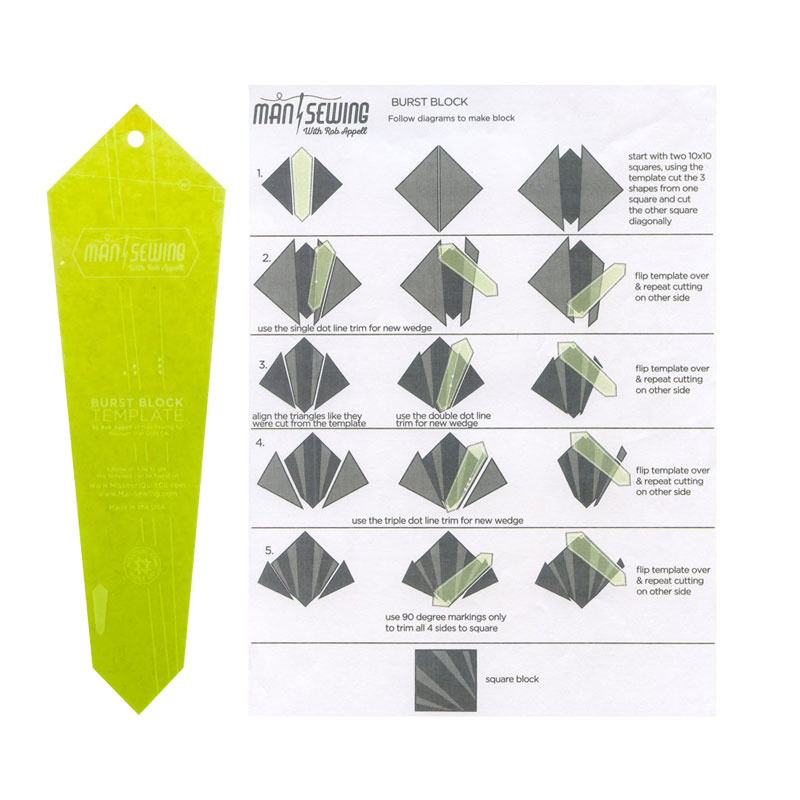
Making Template For Repetitive Cutting
Understanding the Importance of Templates
Templates serve as guides that help maintain uniformity across multiple cuts. By using a template, you can replicate shapes and sizes accurately, which is crucial in projects that require precision. This is particularly beneficial in industries such as carpentry and sewing, where even minor discrepancies can lead to significant issues.
Moreover, templates reduce the risk of errors during the cutting process. When you have a reliable guide, you can focus on executing cuts rather than measuring each time. This not only speeds up the process but also enhances the overall quality of your work.
Materials Needed for Making Templates
To create an effective template for repetitive cutting, you will need a few essential materials. Commonly used items include sturdy cardboard or plywood for durability, a ruler for accurate measurements, and a sharp utility knife or scissors for cutting out the template. Additionally, a pencil or marker will help you outline your design clearly.
Depending on your project, you might also consider using materials like plastic or metal for more robust templates. These materials can withstand wear and tear better than cardboard and are ideal for high-volume cutting tasks.
Steps to Create Your Cutting Template
The first step in making your template is to sketch the desired shape on your chosen material. Use a ruler to ensure straight lines and accurate dimensions. Once you are satisfied with your design, carefully cut it out using your utility knife or scissors.
After cutting out the template, test it by using it on your material of choice. Make any necessary adjustments to ensure a perfect fit. Once finalized, you can use this template repeatedly for consistent results in your cutting projects.
Download Making Template For Repetitive Cutting
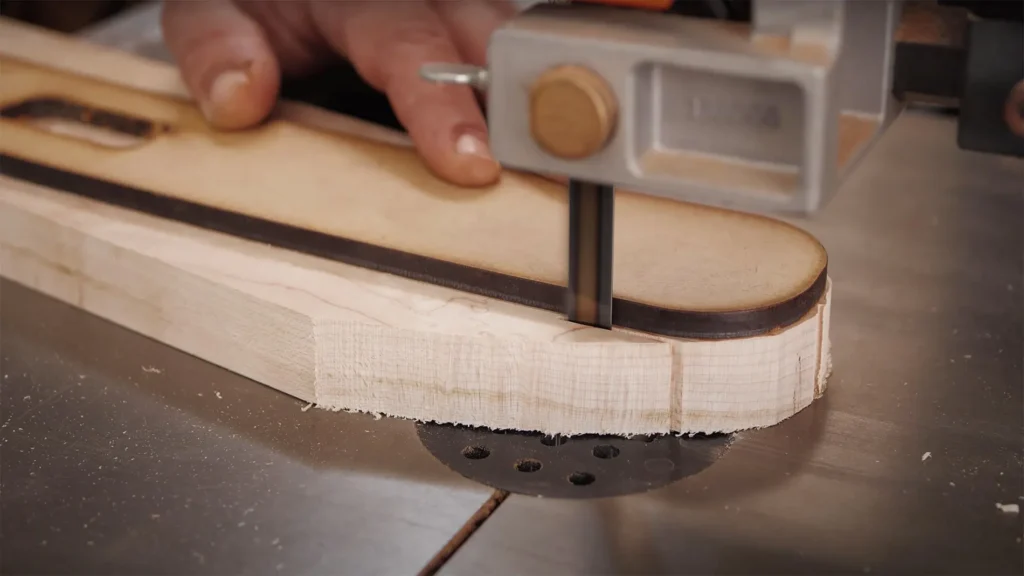
Template Routing Basics
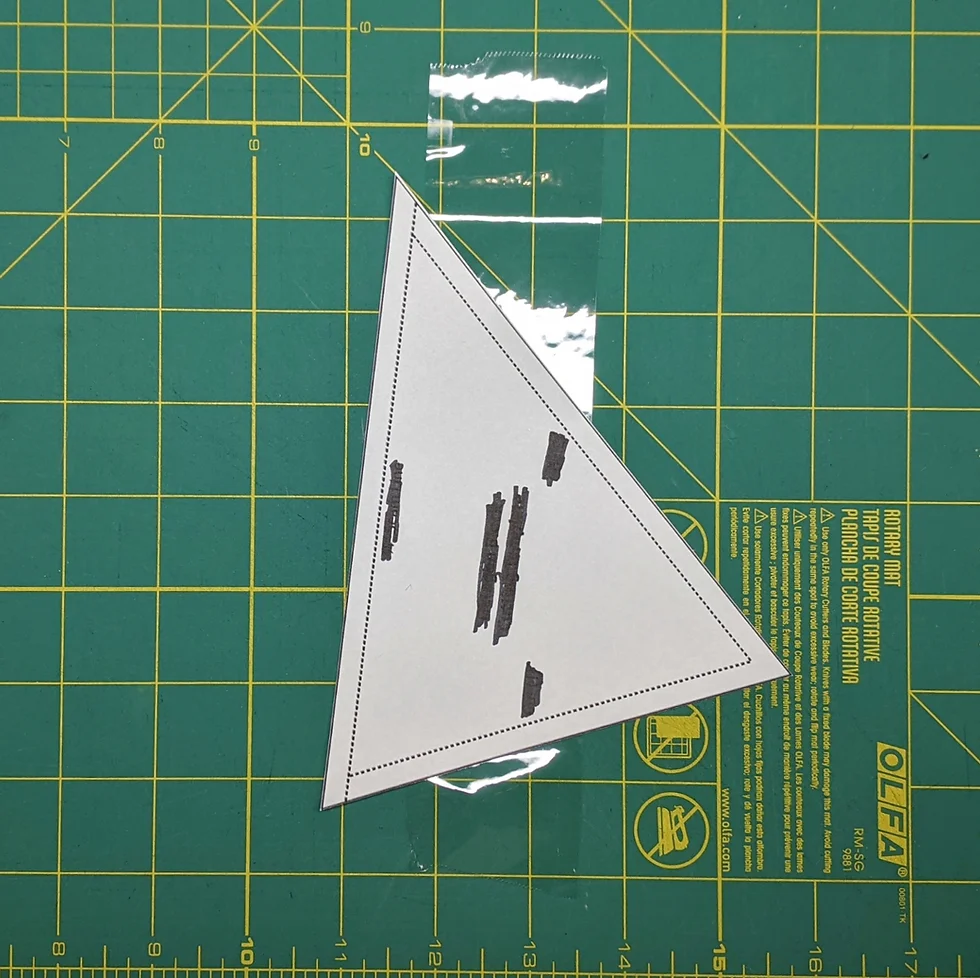
Paper Template Cutting Simplified