Transferring templates for cut-out projects can be a daunting task, especially if you want precision and clarity. Whether you’re working on crafts, sewing, or any DIY project, finding the best way to transfer your template is crucial for achieving professional results. This article explores effective methods to ensure your templates are accurately transferred, making your cut-out process seamless and efficient.
Best Way To Transfer Template To Cut Out
Understanding Different Transfer Methods
When it comes to transferring templates, there are several methods available, each with its own advantages. The most common techniques include tracing, carbon paper, and digital printing. Tracing is ideal for simple designs and allows for direct transfer onto your material. Carbon paper provides a quick solution for more complex patterns, ensuring that every detail is captured accurately.
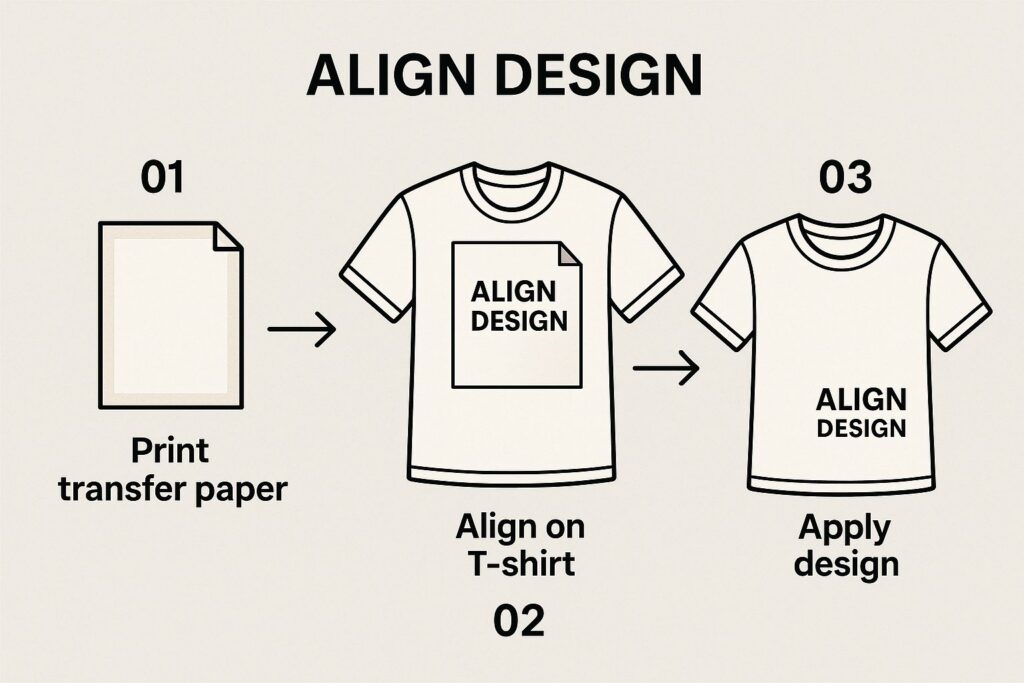
Digital printing has gained popularity due to its precision and ease of use. By printing your template directly onto transfer paper, you can achieve intricate designs without the hassle of manual tracing. Understanding these methods will help you choose the best way to transfer your template based on your project’s requirements.
Choosing the Right Materials
The materials you use can significantly impact the success of your template transfer. For tracing, a good quality pencil or fabric marker is essential to ensure visibility on your chosen medium. If you’re using carbon paper, opt for a type that suits the fabric or surface you are working with to avoid smudging or bleeding.
For digital printing, selecting the right transfer paper is crucial. There are various types available for different surfaces such as fabric, wood, or plastic. Make sure to read the instructions carefully to ensure compatibility with your printer and material for optimal results.
Tips for Successful Template Transfers
To achieve the best results when transferring templates, preparation is key. Start by ensuring that your surface is clean and smooth; this will help in achieving a clear transfer. If you’re using tracing or carbon paper, secure your template in place with tape to prevent any movement during the process.
Additionally, take your time when transferring details. Rushing can lead to mistakes that may compromise the quality of your cut-out. Finally, practice on scrap material before working on your final piece; this will help you refine your technique and boost your confidence in using the chosen method.
Download Best Way To Transfer Template To Cut Out
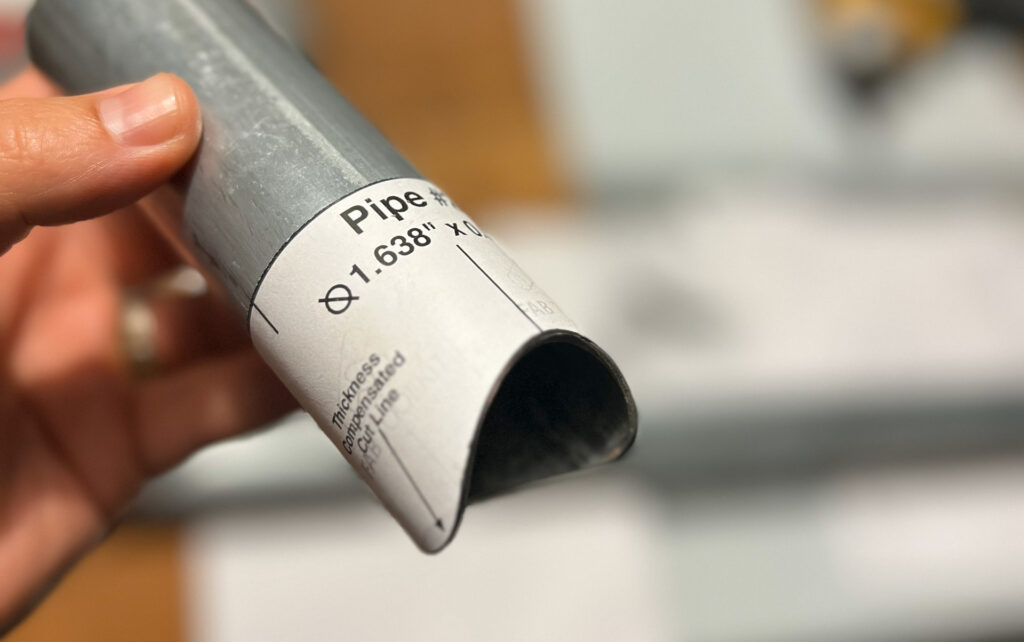
How To Transfer Paper Tube Coping Templates To Steel
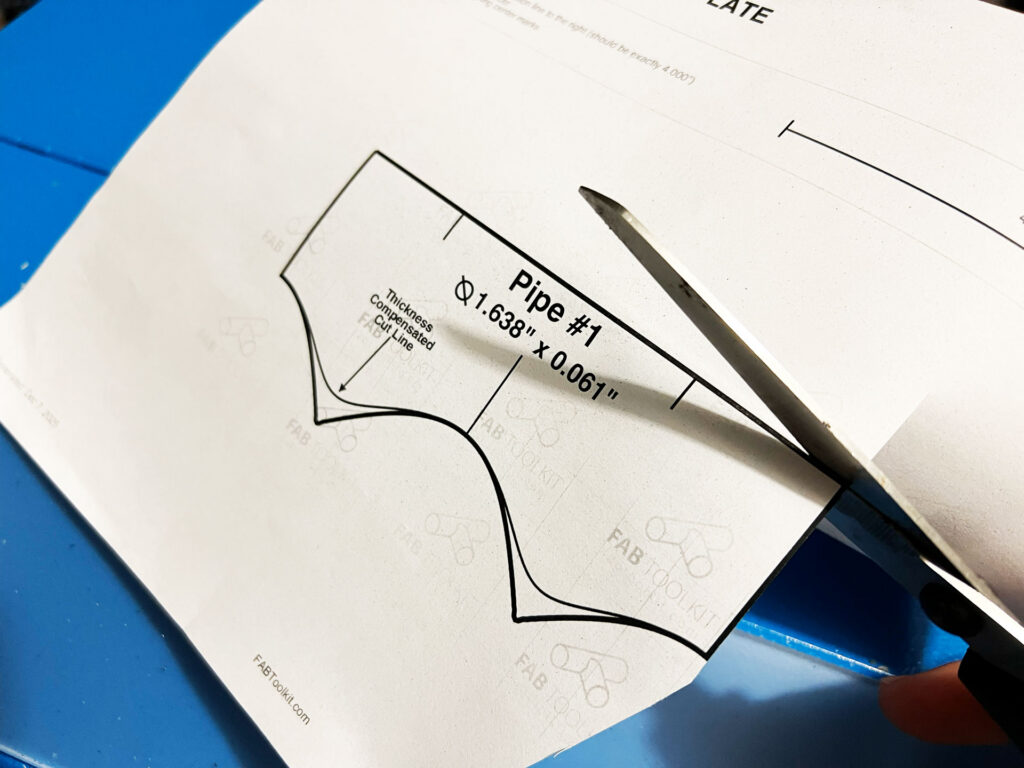
How To Transfer Paper Tube Coping Templates To Steel