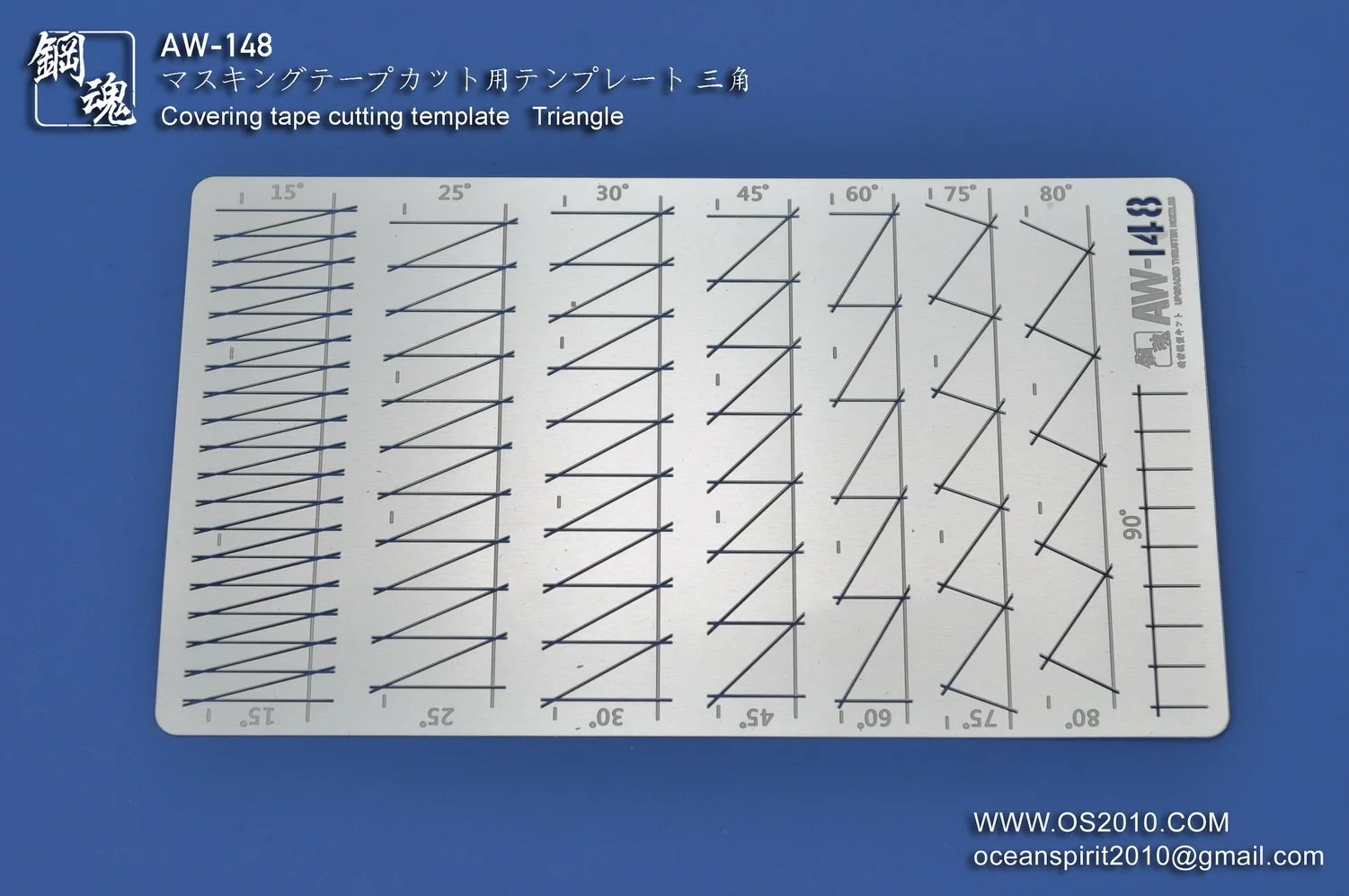
In today’s fast-paced business environment, effective asset management is crucial for maintaining operational efficiency. One essential tool in this process is the “Cutting A Asset Template.” This template helps organizations streamline their asset management processes, ensuring that resources are allocated efficiently and effectively. By utilizing a well-structured template, businesses can enhance their decision-making capabilities and improve overall productivity.
Cutting A Assest Template
Understanding the Cutting A Asset Template
The Cutting A Asset Template is designed to assist businesses in categorizing and managing their assets systematically. It provides a framework for identifying, tracking, and evaluating assets throughout their lifecycle. This template typically includes sections for asset description, acquisition details, maintenance schedules, and depreciation tracking.
By implementing this template, companies can gain better visibility into their asset portfolio. This visibility allows for more informed decisions regarding asset utilization, replacement, or disposal. Furthermore, it aids in compliance with financial reporting standards and enhances accountability within the organization.
Benefits of Using a Cutting A Asset Template
One of the primary benefits of using a Cutting A Asset Template is improved organization. With all asset information centralized in one document, teams can easily access and update data as needed. This organization reduces the risk of errors and ensures that all stakeholders are on the same page regarding asset status.
Additionally, the template facilitates better financial planning. By tracking asset depreciation and maintenance costs, businesses can forecast future expenses more accurately. This foresight enables organizations to allocate budgets effectively and make strategic investment decisions that align with their long-term goals.
How to Implement a Cutting A Asset Template
Implementing a Cutting A Asset Template involves several key steps. First, organizations should customize the template to fit their specific needs. This customization may include adding fields relevant to particular assets or adjusting categories based on industry requirements.
Once tailored, the next step is to train staff on how to use the template effectively. Providing clear guidelines and examples will ensure that everyone understands how to input data correctly and utilize the information for decision-making. Regular reviews and updates of the template will also help maintain its relevance as business needs evolve.
Download Cutting A Assest Template
Cutting Worksheets
Aw 148 Masking Tape Cutting Template